Typhoid test guide: rapid IgM/IgG, Widal and blood culture
Blood culture is the reference test for typhoid. CDC does not recommend the Widal test because of its high false-positive rate. Rapid typhoid IgM/IgG tests give an answer in minutes for screening, but a doctor should confirm the diagnosis, ideally with a culture before antibiotics are started.
→ Compare typhoid test kits & prices
Typhoid in brief
Typhoid fever is caused by Salmonella Typhi, spread through contaminated food and water. It causes prolonged fever and needs antibiotic treatment chosen by a doctor.
The three common tests compared
| Test | What it finds | Strength | Limitation |
|---|---|---|---|
| Blood culture | The bacteria itself | Reference ("mainstay") test, allows antibiotic testing | Takes days; lower yield after antibiotics |
| Widal test | Antibodies against Salmonella antigens | Cheap and widely available | High false-positive rate; CDC does not recommend it |
| Rapid IgM/IgG cassette | IgM and IgG antibodies to S. Typhi | Result in minutes at the point of care | Screening only; confirm with a doctor |
Where a rapid typhoid test helps
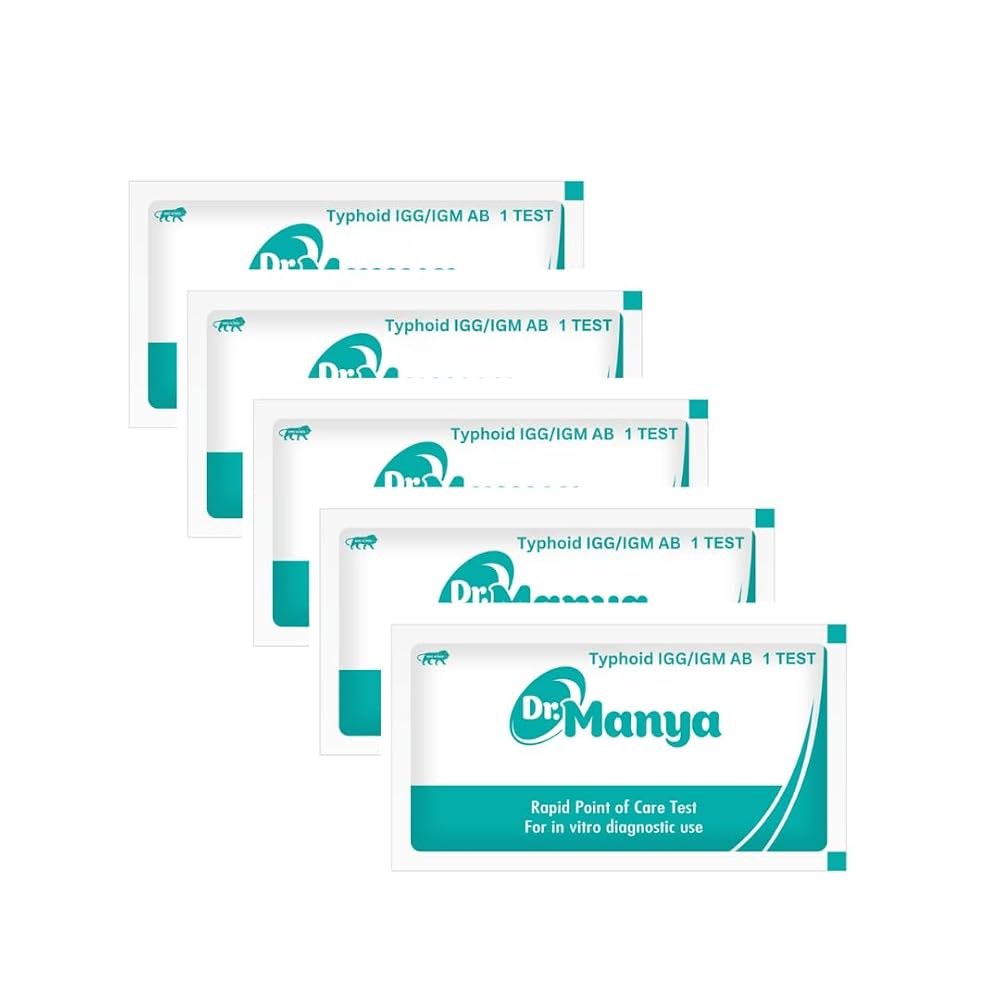
In clinics and small labs without culture facilities, a rapid IgM/IgG cassette such as the Dr. Manya Typhoid IgG/IgM Test Kit gives a quick screening result to support the doctor's decision. IgM usually points to a more recent infection; IgG can reflect past exposure.
Good practice
Collect blood for culture before starting antibiotics where possible, read rapid tests at the exact time in the leaflet, and record the day of fever on the request form. Treatment decisions belong to the treating doctor.
Sources
- CDC — Clinical Guidance for Typhoid and Paratyphoid Fever
- CDC Yellow Book — Typhoid and Paratyphoid Fever
Medical facts in this guide are taken from the sources above and reviewed when they change. Found an error? Tell us.