Urine test strips: what the 10 parameters mean and how to read them
Quick answer
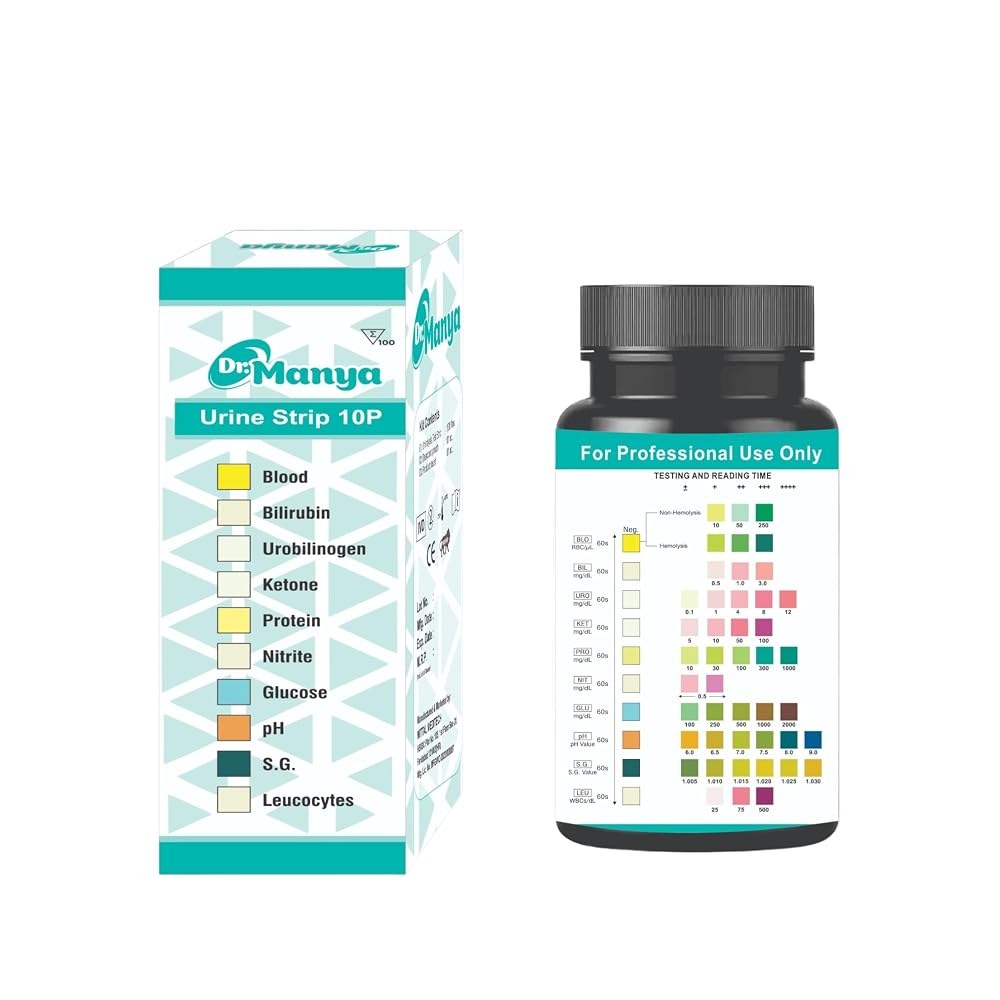
A urine test strip is a plastic strip with reagent pads that change colour in urine. Reading each pad against the bottle's colour chart, usually within 30 seconds to 2 minutes, gives a quick check of blood, protein, glucose, ketones, nitrite, leucocytes and more. Abnormal results are a reason for a laboratory test, not a diagnosis.
What each pad checks
| Pad | Why it is checked |
|---|---|
| Glucose | Sugar in urine can be an early sign of diabetes or poorly controlled diabetes |
| Protein | Can be an early sign of kidney problems |
| Ketones | Seen with fasting, low-carbohydrate diets and uncontrolled diabetes |
| Blood | Not normally present; may point to infection, stones or other conditions |
| Nitrite | Produced by many bacteria that cause urinary infections |
| Leucocytes | White blood cells, often raised in urinary infection |
| pH | How acidic or alkaline the urine is |
| Specific gravity | How concentrated the urine is (hydration) |
| Bilirubin, Urobilinogen | Related to liver function and red-cell breakdown |
How to read a strip correctly
- Collect a fresh midstream urine sample in a clean container.
- Take out one strip and close the bottle at once; moisture spoils the remaining strips.
- Dip the strip so every pad is wet, then remove it and tap off extra urine.
- Hold the strip next to the colour chart and read each pad at the time printed for it (typically 30 seconds to 2 minutes).
- Record the results; repeat or send to a lab if anything is abnormal.
2, 3, 4 or 10 parameters?
Choose the strip that matches what you need to check:
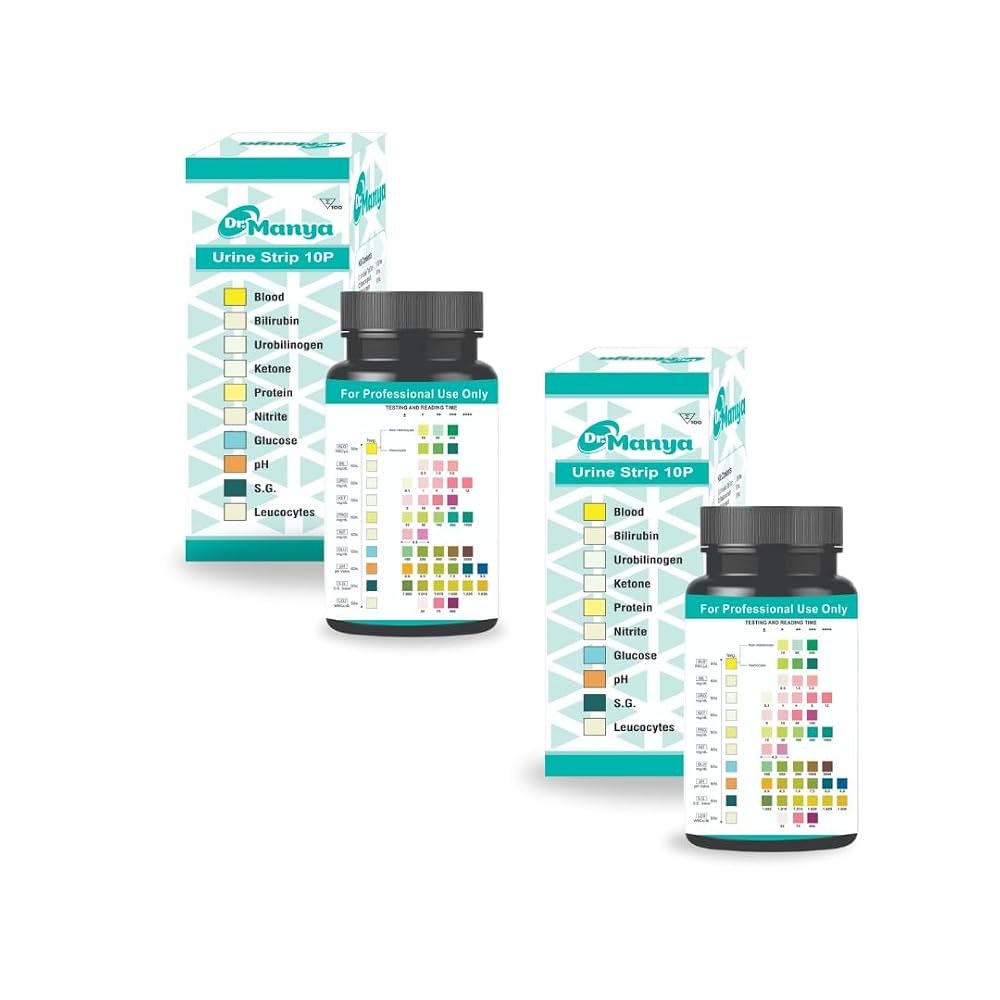
- 10 parameter strips for a full routine urinalysis in clinics and labs.
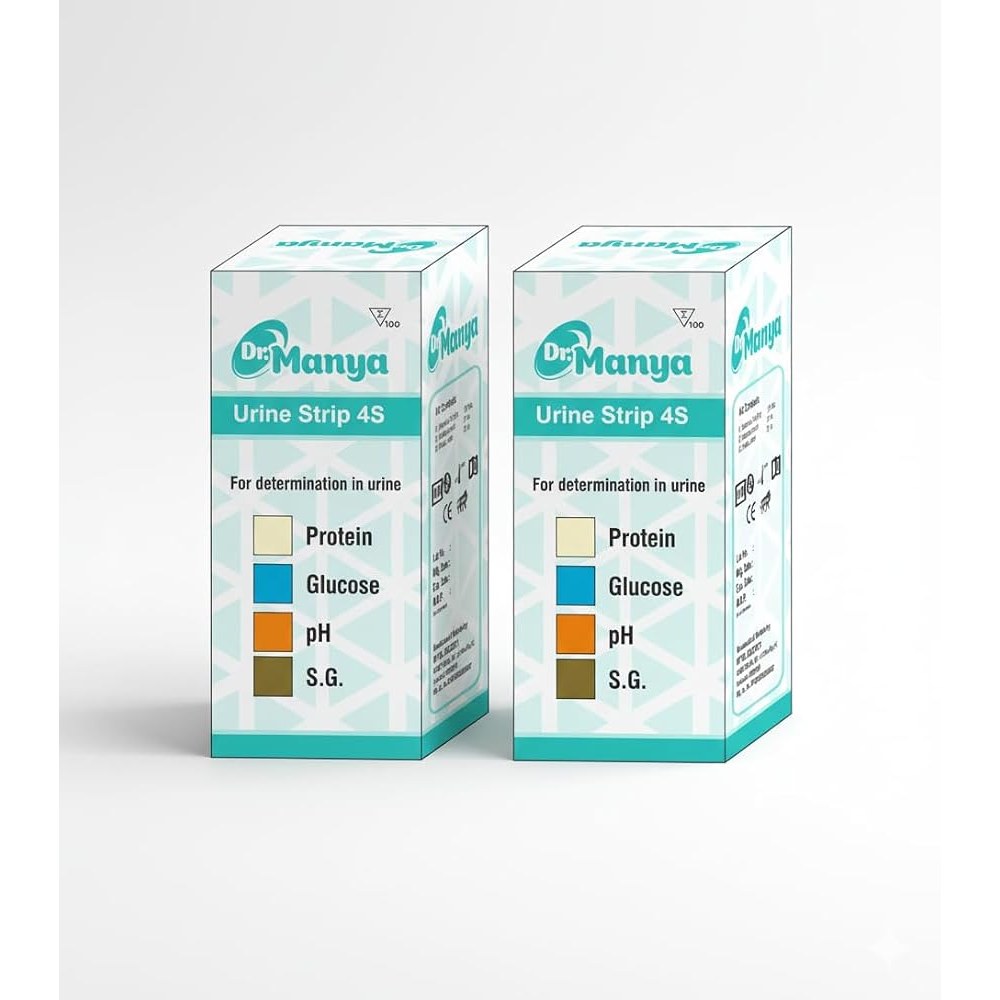
- Urine Strip 4S for protein, glucose, pH and specific gravity.
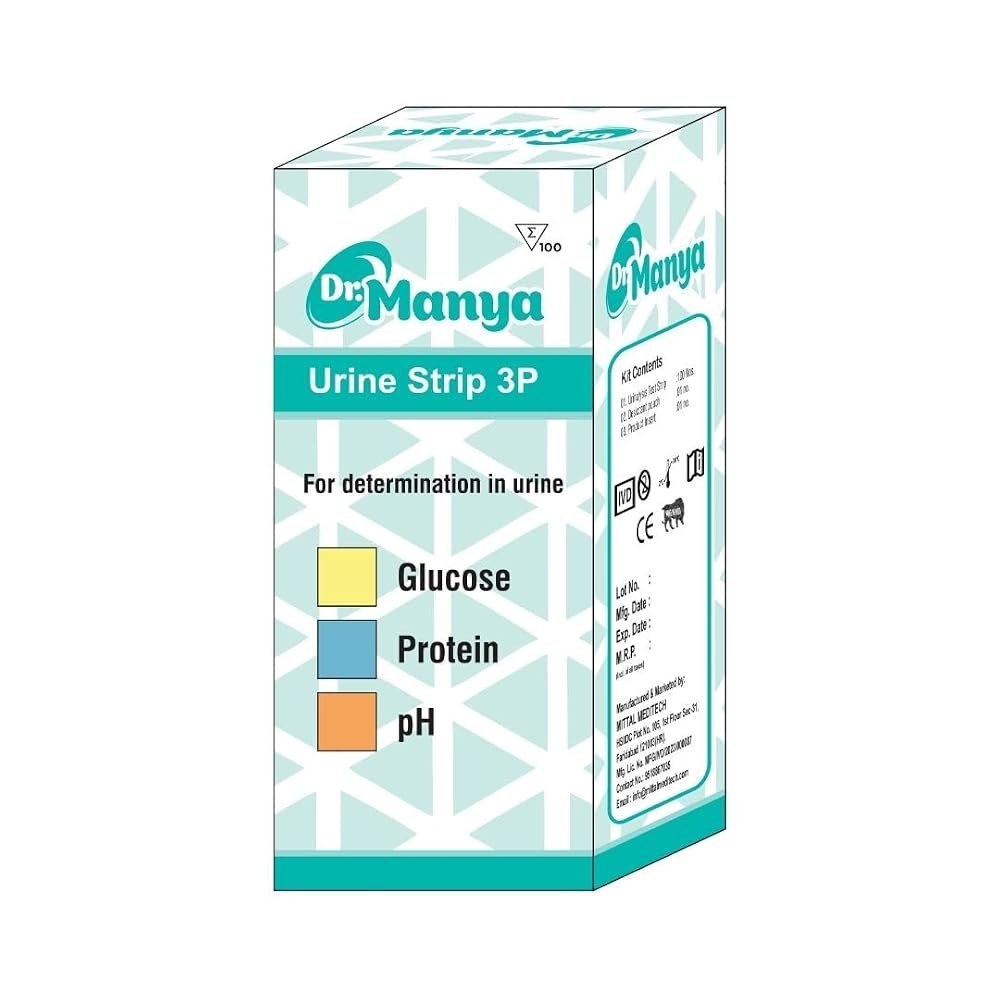
- 3 parameter strips for glucose, protein and pH.
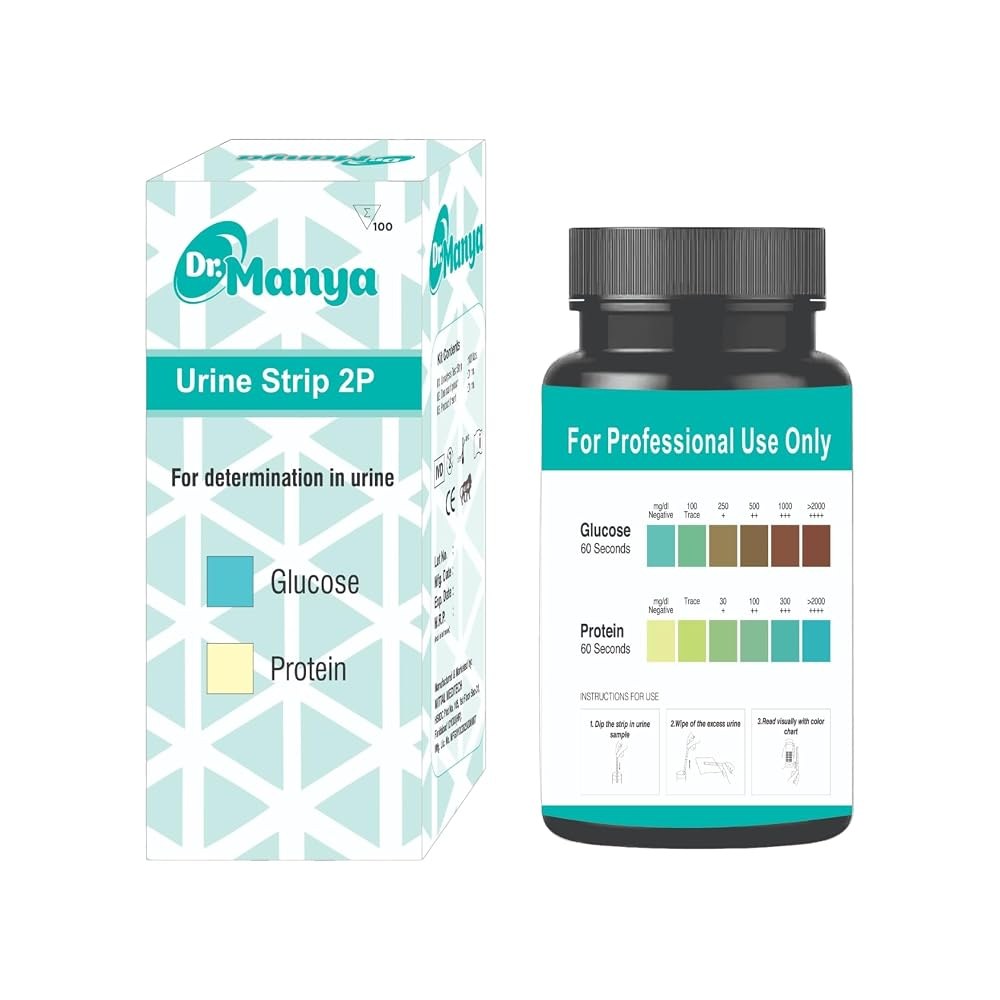
- 2 parameter strips for routine glucose and protein checks.
Storage tips that keep results accurate
Keep the bottle tightly closed, away from sunlight and moisture, and use strips before the expiry date. Never cut strips or touch the pads.
This guide is general information for buyers and health workers, not medical advice. Rapid tests are screening tests; always confirm results and treatment decisions with a qualified doctor.
Sources
Medical facts in this guide are taken from the sources above and reviewed when they change. Found an error? Tell us.